


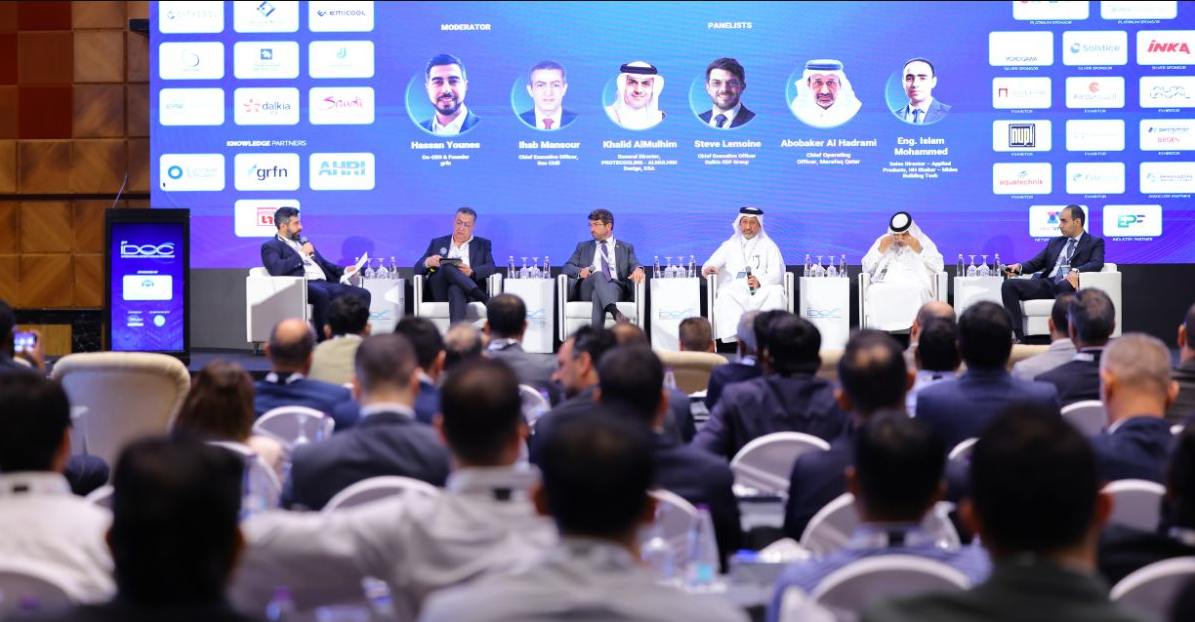
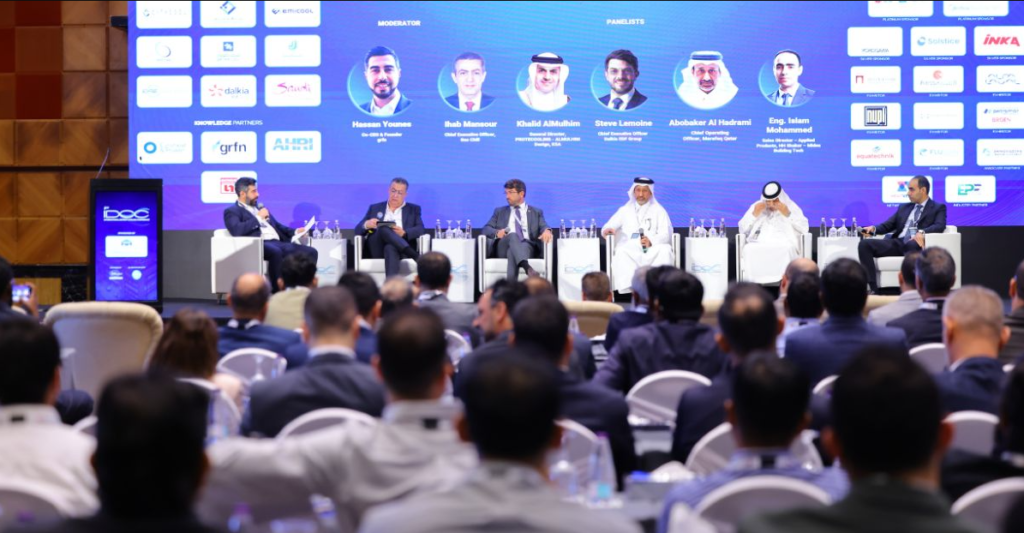
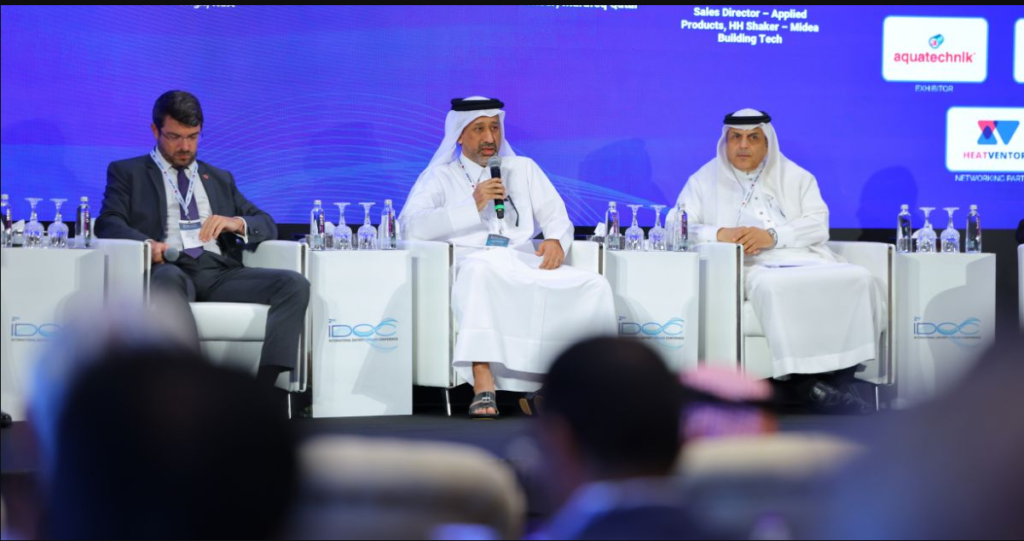
The growth of Saudi Arabia’s district cooling sector is increasingly influenced by evolving regulatory frameworks, national sustainability goals, and integrated urban development strategies. During a key panel discussion at IDCC 2026, leaders from both the public and private sectors explored the policies and strategic initiatives that will define the next phase of district cooling expansion across the Kingdom.
The discussion focused on how integrating district cooling into national energy and urban planning frameworks can create long-term value by attracting international investment, supporting mega-project development, and accelerating Saudi Arabia’s journey toward its net-zero ambitions.
As Saudi Arabia continues to transform its cities through Vision 2030 initiatives, district cooling is emerging as a critical infrastructure solution that enhances energy efficiency, reduces carbon emissions, and supports sustainable urban growth.
Key Discussion Areas
Strengthening National Energy Strategies
Industry experts emphasized the importance of embedding district cooling into national energy policies to improve efficiency, reduce electricity demand during peak periods, and support long-term energy resilience.
Optimizing Mega-Project Development
Saudi Arabia’s large-scale developments require integrated cooling solutions from the earliest stages of master planning. Incorporating district cooling into project designs enables optimized infrastructure deployment, reduced operational costs, and improved environmental performance.
Attracting Global Investment
Clear regulations and supportive policy frameworks create confidence among international investors, opening opportunities for increased investment in sustainable infrastructure projects throughout the region.
Supporting Net-Zero Objectives
District cooling directly contributes to decarbonization efforts by significantly lowering energy consumption compared to conventional cooling systems, helping cities align with national and global climate commitments.
PROTECOOLING at the Forefront of Industry Leadership
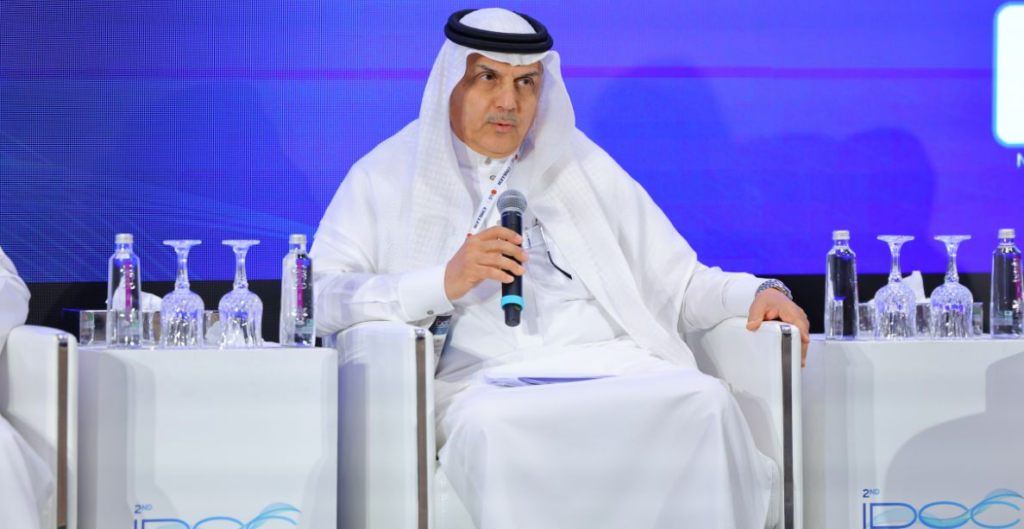
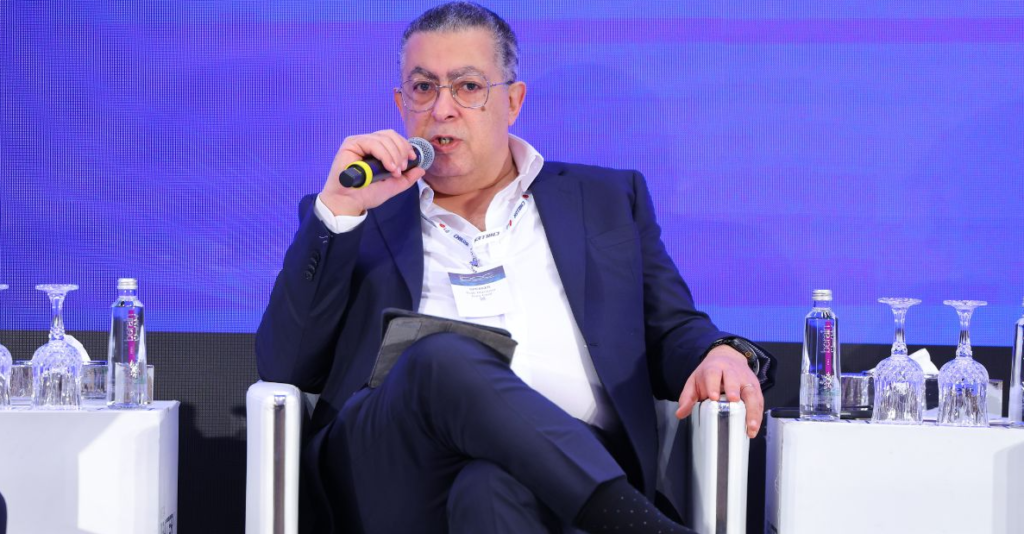
A key highlight of the session was the participation of Khalid AlMulhim, M.Sc ME, General Director of PROTECOOLING – ALMULHIM Design, Saudi Arabia, who joined fellow industry leaders to discuss the future direction of district cooling policy and its role in supporting the Kingdom’s ambitious development agenda.
His participation reflects PROTECOOLING’s ongoing commitment to shaping the future of sustainable infrastructure in Saudi Arabia. By actively contributing to industry-wide conversations, PROTECOOLING continues to bring technical expertise, strategic insight, and innovative thinking that support the successful implementation of district cooling across mega-projects and smart cities.
As the Kingdom accelerates its urban transformation, collaboration between policymakers, developers, and engineering experts will be essential in creating efficient, resilient, and future-ready cooling ecosystems.
Featured Industry Leaders
Moderator
- Hassan Younes – Co-CEO & Founder, grfn
Panelists
- Ihab Mansour – Chief Executive Officer, Gas Chill
- Steve Lemoine – Chief Executive Officer, Dalkia Middle East | EDF Group
- Abobaker AlHadrami – Chief Operating Officer, Marafeq Qatar
- Khalid AlMulhim, M.Sc ME – General Director, PROTECOOLING – ALMULHIM Design, Saudi Arabia
- Eng. Islam Abdelrahman – Sales Director – Applied Products, H&H Shaker – Midea Building Tech
PROTECOOLING’s Commitment to Sustainable Infrastructure
As Saudi Arabia accelerates its urban transformation, PROTECOOLING remains committed to delivering innovative, efficient, and sustainable district cooling solutions that align with Vision 2030 and the Kingdom’s long-term energy goals.
By actively participating in industry discussions and collaborating with regional and global stakeholders, PROTECOOLING continues to contribute to building smarter, greener, and more resilient cities for future generations.
Comments are closed